Offline voice detection in smart homes
A multi-purpose smart-home automation concept that processes voice commands locally, combining offline interaction, Raspberry Pi-class edge computing and environmental control.
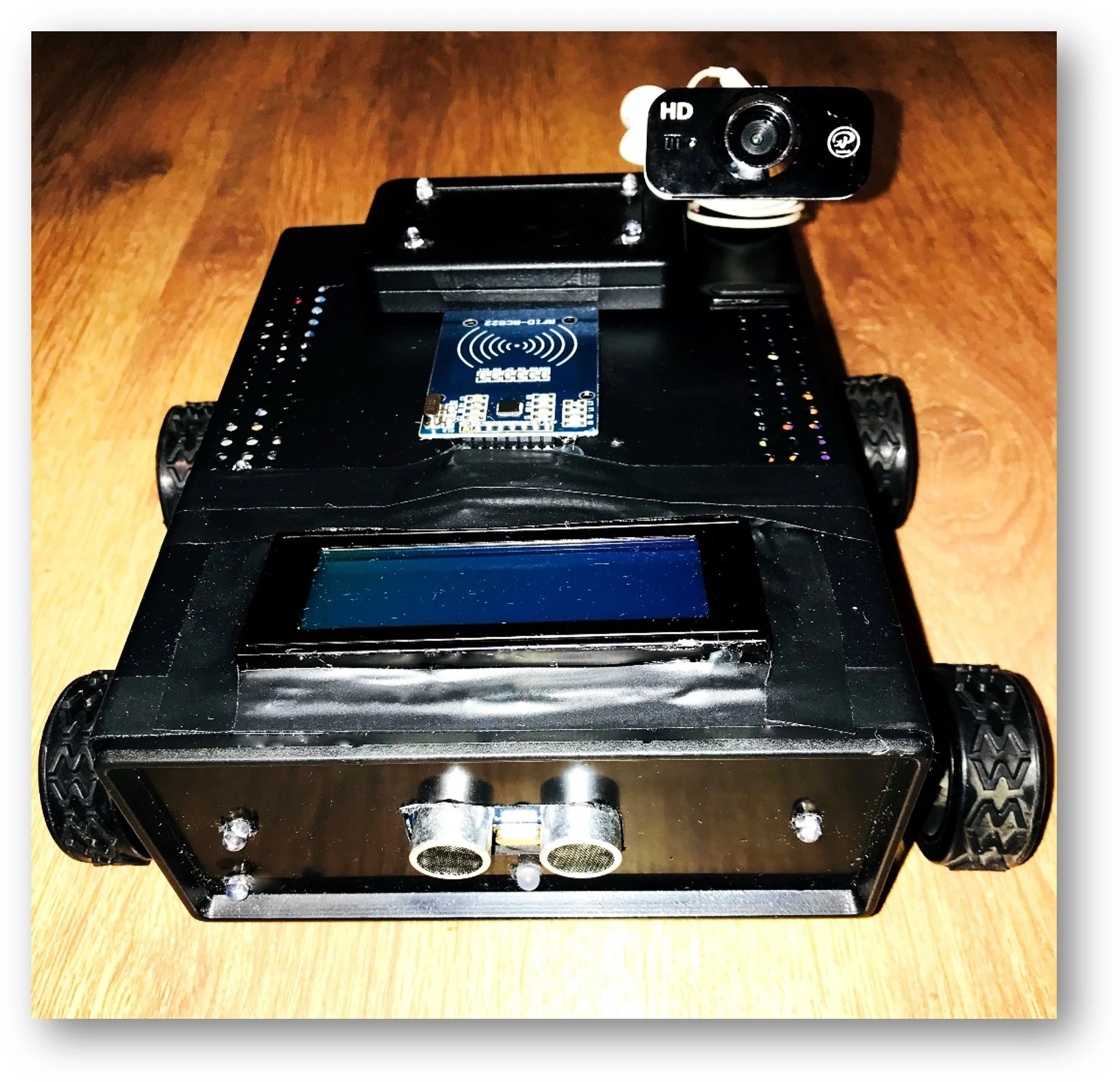
Cloud voice assistants are convenient, but a smart home does not always need to send every command to an external service. This conference work explored a multi-purpose smart-home automation system in which voice interaction can be processed locally and connected to authentication, automation and environmental control.
Why offline voice matters
Local processing can make a home-automation system more resilient to internet outages and can reduce the amount of private audio that needs to leave the local environment. For engineering prototypes, it also creates a useful edge-computing architecture: sensing, inference and actuation remain close to the device.
System idea
The proposed smart-home concept brings several functions together:
- Offline voice-command interaction
- Home automation and device control
- Authentication and access logic
- Interaction with environmental sensors
- Edge processing with embedded / Raspberry Pi-class hardware
textVoice command → Local processing → Intent / authentication ↓ Sensors → Smart-home controller → Lights / devices / environment
Engineering value
The interesting part is not only speech recognition itself. It is the integration problem: connecting user interaction, embedded hardware, sensors and automation in a system that should remain responsive and dependable.
That same design pattern appears across modern IoT systems—move essential intelligence closer to the device, keep control loops local where practical, and use network services as an enhancement rather than a single point of failure.