Object Detection in Practice: YOLO, R-CNN and Better Dataset Design
A practical research note on choosing an object-detection approach from latency, localization, segmentation and dataset constraints—not from model-version numbers alone.
This is more than a publication list: each post explains the problem, data, method, result, limitations and engineering lesson behind the work.

A practical research note on choosing an object-detection approach from latency, localization, segmentation and dataset constraints—not from model-version numbers alone.

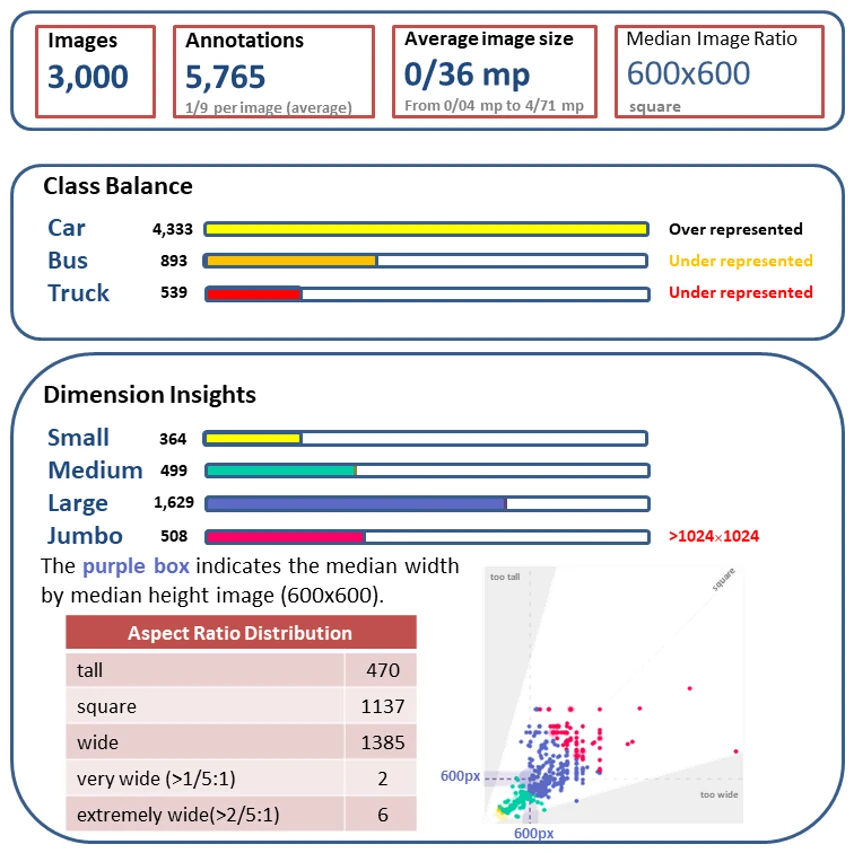
A domain-specific dataset of 3,000 Iranian vehicle images and 5,765 manually labeled bounding boxes improved YOLOv8s performance over a COCO-trained baseline.
DOI-linked papers use verified bibliographic records checked against Crossref during build; their paper-level citation counts are refreshed by exact DOI from Semantic Scholar. Google Scholar remains the primary scholarly-profile link.

A practical research note on choosing an object-detection approach from latency, localization, segmentation and dataset constraints—not from model-version numbers alone.

A short update on the control-side continuation of my M.S. thesis, extending the Deep Q-Learning traffic-signal-control research before submission for peer review.
Read article
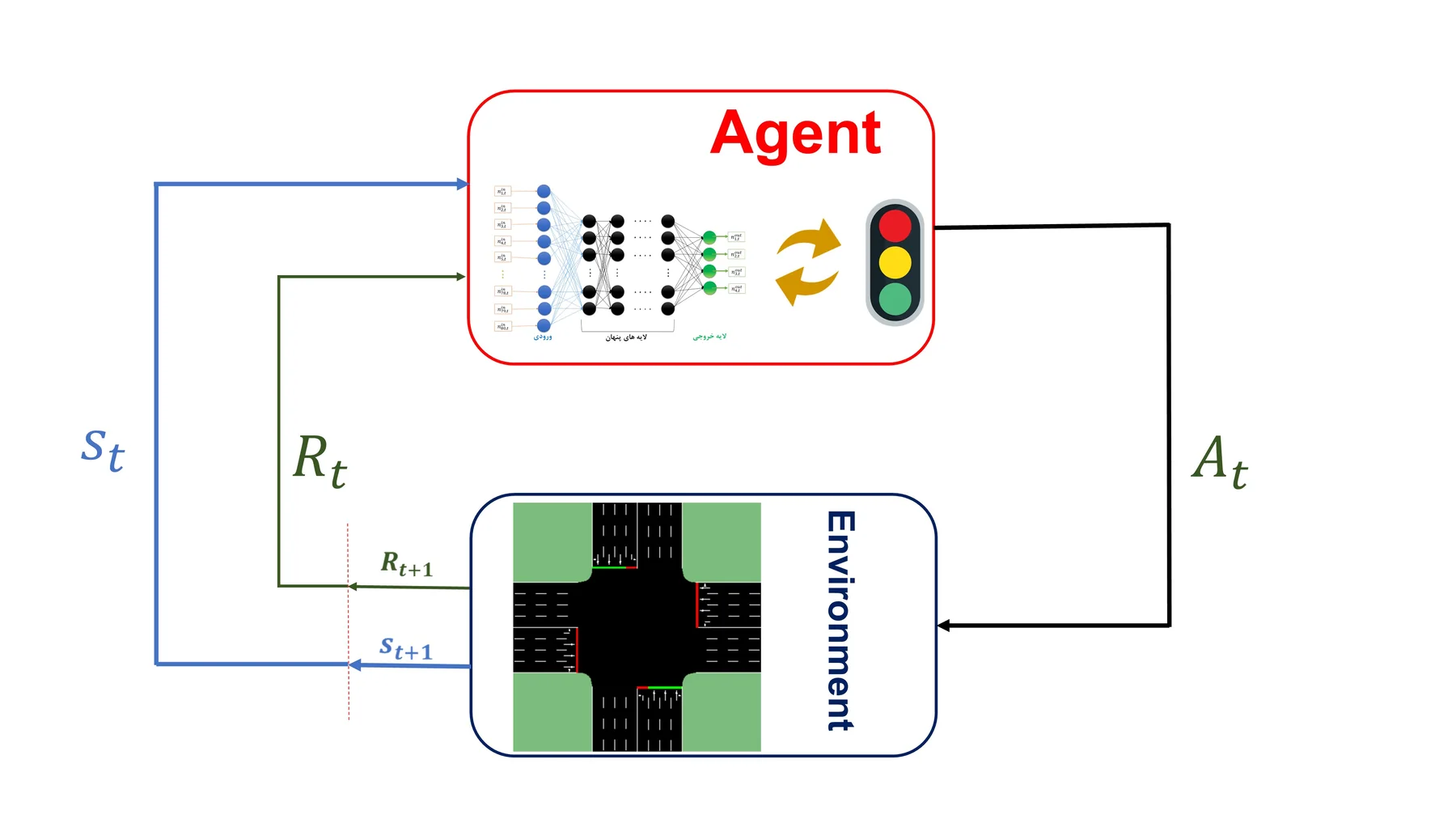
A system-level view of how vehicle detection, traffic-state estimation and reinforcement learning can be connected into an adaptive intersection controller.

A domain-specific dataset of 3,000 Iranian vehicle images and 5,765 manually labeled bounding boxes improved YOLOv8s performance over a COCO-trained baseline.

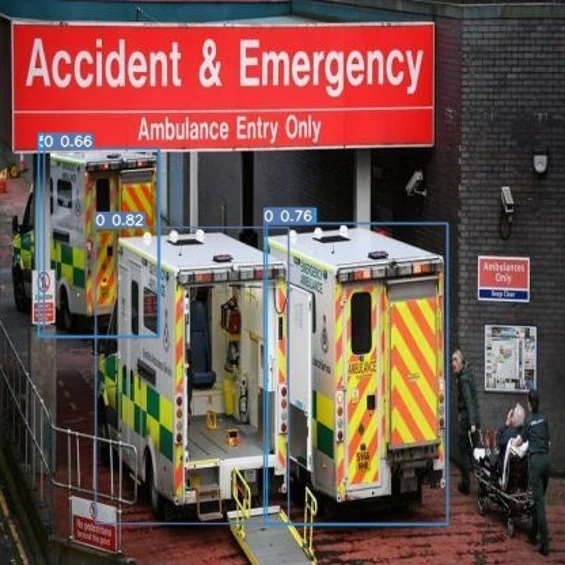
A seven-class, 29,759-image vehicle benchmark that treats ambulances and fire trucks as dedicated object-detection classes and evaluates real-time detector performance.

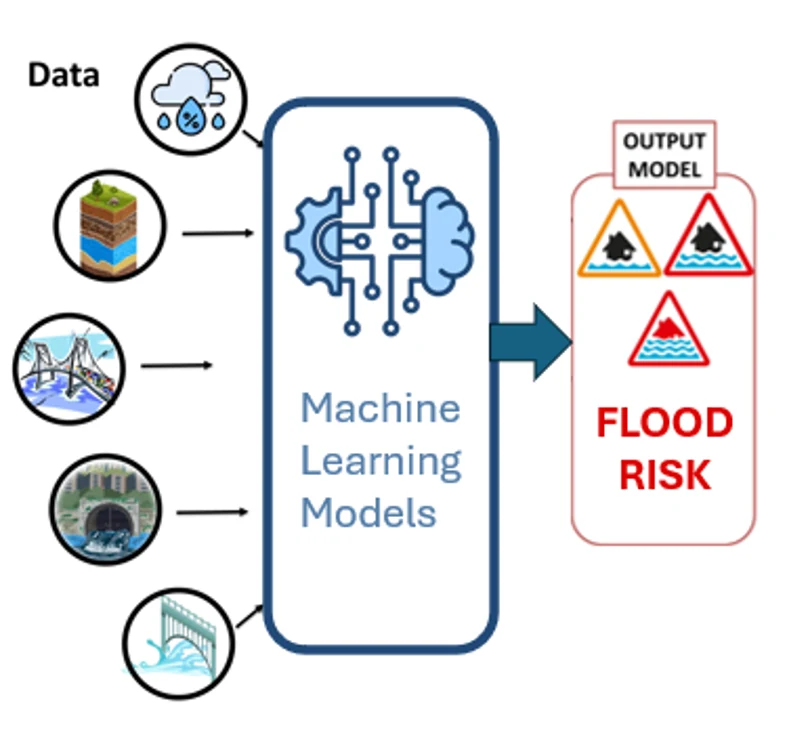
A comparison of three machine-learning approaches for predicting exposure, criticality and flood-risk scores using 2,634 bridge records.

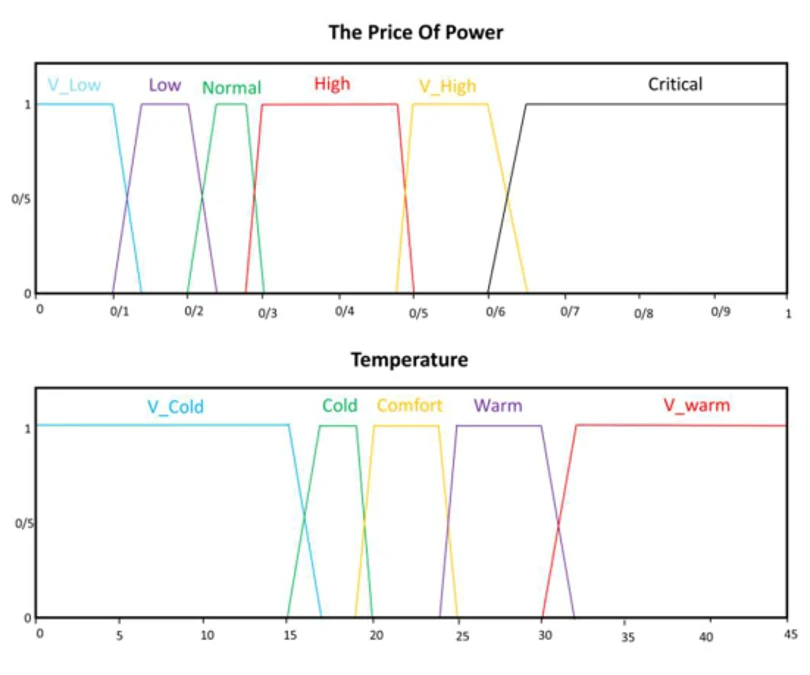
A centralized controller coordinates 100 air-conditioning units using wind power, grid energy, fuzzy decision-making and adaptive nonlinear control.

A multi-purpose smart-home automation concept that processes voice commands locally, combining offline interaction, Raspberry Pi-class edge computing and environmental control.

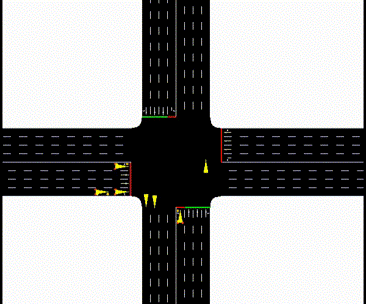
My 2021 M.S. thesis used Reinforcement Learning with Deep Q-Learning, SUMO simulation and YOLO-based traffic estimation for adaptive traffic-signal control.